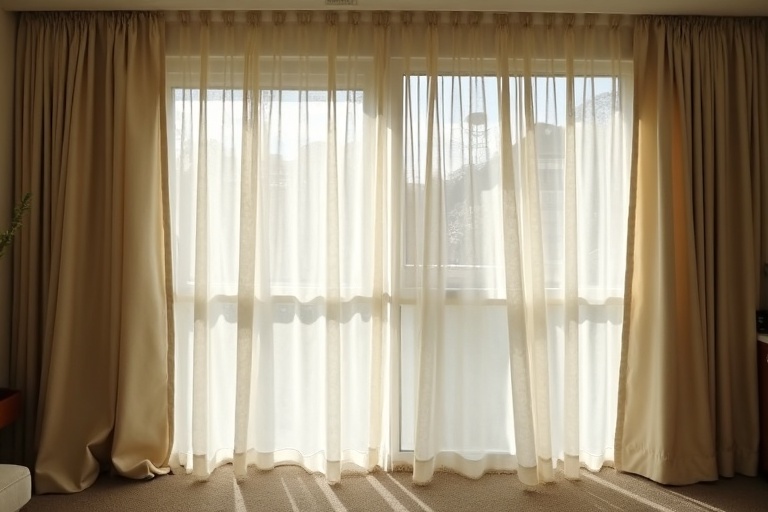

The Complete Guide to Curtain Cleaning Methods: Every Technique Explained
Curtains are a central element in any interior design, providing privacy, light control, and aesthetic warmth. However, they also act as giant air filters, trapping dust, pet dander, pollen, kitchen grease, and airborne pollutants. Over time, this accumulation not only dulls their appearance but can also degrade the fabric fibers and impact your indoor air quality. To maintain their beauty and longevity, understanding the different curtain cleaning methods is essential.
1. Weekly Maintenance: Vacuuming and Dusting
The simplest and most effective way to extend the lifespan of your window treatments is regular weekly maintenance. You do not need to wash your curtains constantly; instead, regular dusting prevents airborne dirt from settling deep into the weave. When dust is left on the fabric, ambient moisture in the room can cause it to bond with the fibers, making future cleaning much more difficult.
To vacuum your curtains safely, follow these steps:
- Use the Brush Attachment: Always use the soft upholstery brush attachment on your vacuum cleaner to prevent fabric snags.
- Reduce the Suction Power: If your vacuum has a variable suction control, turn it down to the lowest setting to avoid pulling the fabric into the nozzle.
- Vacuum Top to Bottom: Work from the top of the curtain panel down to the hem. Pay close attention to the top pleats and folds, as dust gathers heavily in these areas.
- Shake Them Out: Before vacuuming, shake the curtains gently to release loose particles, allowing them to settle on the floor where they can be easily cleaned up.
2. The Steam Cleaning Method: High Efficiency In-Place Care
Steam cleaning is an excellent method for heavy fabrics, velvet, and curtains that are difficult to take down. This technique uses high-temperature water vapor to penetrate deep into the fabric fibers, loosening dirt, dust, and organic residues. The intense heat of the steam also serves as an effective sanitizer, neutralising dust mites, bacteria, and microscopic allergen spores on contact.
The primary advantage of steam cleaning is convenience. You can complete the entire process while the curtains remain hanging on their rods. This eliminates the arduous task of removing heavy panels, taking out metal hooks, and rehanging them. However, steam is not suitable for all materials. Synthetic materials like polyester and cotton blends respond beautifully to steam, but delicate silk, sheer panels, or acrylic-coated blackout backings can suffer structural damage, color bleeding, or shrinkage if exposed to direct heat and moisture.
3. The Hand Washing Method: Gentle Care for Sensitive Fabrics
Hand washing is the safest wet-cleaning option for semi-delicate fabrics, including unlined cotton, linen blends, and high-quality synthetic sheers. By washing curtains by hand, you maintain complete control over the water temperature, agitation level, and detergent concentration, minimizing the risk of fabric shrinkage, stretching, or fiber damage.
When hand washing curtains, use a large basin, utility sink, or a clean bathtub. Use cool or lukewarm water mixed with a mild, pH-balanced liquid detergent. Gently submerge the panels and squeeze the soapy water through the fabric. Avoid wringing or twisting the material, as this can break delicate threads and create permanent creases. Rinse thoroughly with clean, cold water until all soap residue is eliminated. Press the fabric gently against the side of the tub to expel excess water before hanging them to air dry in a well-ventilated space away from direct, harsh sunlight.
4. Machine Washing: Speed and Convenience for Durable Fabrics
For durable, everyday fabrics such as polyester, nylon, and pre-shrunk cotton, machine washing offers an exceptionally convenient and effective option. Modern washing machines feature specialized delicate cycles that mimic the gentle action of hand washing, allowing you to achieve a deep, hygienic clean with minimal manual effort.
Before placing your curtains in the machine, you must remove all metal pins, drapery hooks, and heavy lead weights from the hems. These items can tear the fabric or cause serious damage to your washing machine drum. Always select the delicate or hand-wash cycle, use cold water, and choose a low spin speed. A high spin cycle can create deep wrinkles that are almost impossible to iron out and can cause structural stress to the curtain seams and headers. It is best to wash curtain panels separately or in small loads to ensure they have enough room to move freely in the drum.
5. Professional Dry Cleaning: Banish Shrinkage in Premium Materials
Certain premium curtain fabrics, such as 100 percent natural silk, heavy wool, brocade, tapestry, and curtains with delicate interlinings or structural buckram headers, must never be exposed to water. Wet cleaning these materials can cause catastrophic shrinkage, dye bleeding, and severe fabric distortion. For these high-end window treatments, professional dry cleaning is the absolute standard.
Dry cleaning utilizes chemical solvents instead of water to dissolve grease, dirt, and oil stains. Because the process is water-free, it prevents the swelling and contraction of natural fibers, eliminating the risk of shrinkage. When choosing a dry cleaner, select a provider experienced in handling heavy drapery, as they will have the specialized pressing equipment required to restore the sharp pleats and elegant drape of your premium panels. Working with a qualified specialist ensures your investment is protected and beautifully preserved.
A Quick Fabric Testing Tip
If you are unsure whether your curtains are suitable for wet cleaning, perform a spot test. Moisten a small, inconspicuous corner of the hem with cool water and a drop of mild detergent. Blot it gently with a clean white cloth. If the color bleeds onto the cloth, or if the fabric puckers or shrinks, stop immediately and seek professional dry cleaning care.
6. Summary: Choosing the Right Method for Your Fabric
Selecting the correct curtain cleaning method is not a matter of guesswork; it requires evaluating the specific fiber composition, lining type, and general condition of your curtains. By matching the fabric to its recommended technique, you ensure a deep, restorative clean without risking structural damage. Regular weekly dusting, combined with a deep clean once or twice a year, will keep your window treatments looking pristine, smelling fresh, and hanging beautifully for many years to come.